Navigating Gaming Addiction Signs Solutions and Support for Parents
Many kids and teens play games for fun, social time, and challenge. Most do not develop harmful habits. Trouble starts when gaming crowds out sleep, school, family time, and health. Parents often see the shift first. If your child hides play, lies about time online, or melts down when asked to stop, you are not alone. Clear signs, calm limits, and support can turn things around.
What gaming addiction means and what it does not
Heavy play on its own is not the same as addiction. Concern grows when gaming becomes hard to control, takes priority over basic needs, and keeps causing problems even after you try to fix it. Think of it less as a label and more as a pattern of behavior. The goal is to spot risk early and restore balance, not to shame your child or ban games forever.
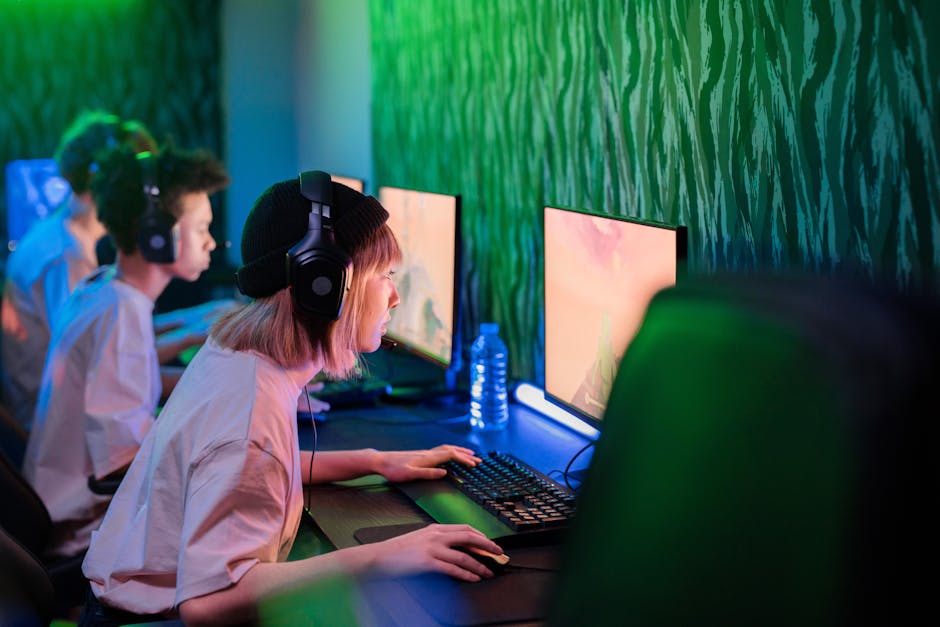
Early signs to watch and how to respond
| Sign | What it looks like | Why it matters | What parents can do |
|---|---|---|---|
| Loss of control | Plans to stop at 9 p.m. but keeps going past midnight | Impulse control and sleep take a hit | Set a hard stop tied to router or console settings and a wind-down routine |
| Withdrawal from other activities | Quits sports or clubs, avoids friends who do not play | Narrowing interests raise risk for low mood | Require one non-screen activity each week and make it easy to rejoin |
| Conflict and secrecy | Argues over time limits, deletes screen-time reports | Trust erodes and stress rises at home | Move gaming to shared spaces and use transparent time trackers |
| School impact | Late work, falling grades, morning fatigue | Daytime function is impaired | Protect sleep, set weekday caps, loop in teachers if needed |
| Spending spikes | Unexpected charges for skins or loot boxes | High-pressure microtransactions can fuel compulsion | Disable purchases and use gift cards with a set monthly cap |
Why some kids get stuck
Games are designed to be engaging. Fast rewards, social ranks, and daily streaks keep players coming back. Stress, loneliness, or perfectionism can raise the risk that gaming becomes a main coping strategy. Kids with attention, anxiety, or mood challenges may be more vulnerable because games offer quick feedback and relief. This is not a moral failing. It is a sign that your child needs support and better tools to manage time and feelings.
Set up a family plan that actually works
Rules work best when they are clear, specific, and consistent. Write them down and revisit them each month. Include your child in the plan so the rules feel fair. Tie access to daily anchors that matter for health and school.
- Define time windows. Example: gaming only between 4 p.m. and 7 p.m. on school nights, 2-hour blocks on weekends.
- Protect sleep. All screens off one hour before bedtime. Devices charge outside bedrooms.
- Set play-before-pay rules. Homework, chores, shower, and 30 minutes of movement come first.
- Use device tools. Turn on screen-time limits, app caps, and content filters. Require a parent code to extend time.
- Control spending. Remove saved cards. Use preloaded gift cards with a monthly limit.
- Keep games communal. Play in shared spaces when possible. Headphones are fine, isolation is not.
- Agree on consequences. Missed limits mean a shorter session tomorrow. Calm, predictable, and not punitive.
Coaching your child to self-manage
Long term change sticks when kids build their own skills. Teach them to plan sessions, take breaks, and balance goals.
Use a visible timer. A kitchen timer or a large on-screen clock makes time concrete. Ask them to set it, not you. Pair play with breaks. After 45 to 60 minutes, stand up, stretch, get water, and step outside for two minutes. Encourage task switching. After a gaming block, do a short non-screen task to reset attention. Track wins outside games. A simple habit tracker for study, sleep, and exercise builds pride that does not depend on in-game ranks.
Handling meltdowns and conflict
Stopping mid-match can be hard because online games penalize players who leave. Build this into your rules. Set a target stop time and ask your child to start the last match no later than a set cut-off. If conflict rises, lower the heat. Speak briefly, give one clear instruction, and step away. Praise any progress. Kids who feel seen and respected fight less.
When to worry and seek outside help
Reach out for support if any of these persist for a month or more. Sleep is under 7 to 8 hours most nights for teens. Grades fall across classes. Your child skips school or lies often about time online. You see signs of depression, anxiety, or thoughts of self-harm. You can start with your pediatrician or a licensed therapist. Ask about experience with behavior change, family systems, and gaming habits. If attention or mood disorders are present, a thorough evaluation can guide care.
Tools and controls that make limits easier
Parental controls are not a cure, but they lower friction. Console and phone makers let you set daily limits, restrict play by rating, block chat, and turn off purchases. Router-level controls can pause specific devices on a schedule. Keep the parent passcode private and change it if it leaks. Review settings with your child so the rules are not a surprise.
Talking about loot boxes, social pressure, and streaming
Many games include random rewards and time-limited offers. These push fast decisions. Explain the design openly. Compare a loot box to paying for a chance at a prize, not a sure item. Talk about streamers and friends who play long hours. Acknowledge the appeal, then bring the focus back to health, school, and relationships. Encourage your child to follow creators who model balance and to mute toxic chats.
School partnership
Teachers and counselors can help spot daytime sleepiness, missing work, or changes in mood. A quick email sharing your home plan can align expectations. If late-night gaming is the issue, ask for help shifting deadlines or breaking tasks into smaller steps while sleep habits improve. Celebrate small gains like on-time arrivals or a finished project.
Supporting younger kids vs teens
Under 12s need firm structure and fewer choices. Keep devices in shared spaces, stick to short sessions, and choose age-appropriate games. Teens need more voice and buy-in. Link gaming time to responsibilities and invite them to propose a schedule. Inspect, do not spy. Explain what you will monitor and why, then loosen controls as they show responsibility.
What recovery looks like
Change is rarely a straight line. Expect slips during holidays, after new game launches, or during stress. Measure success by trends, not perfection. Longer sleep, fewer blowups, steady schoolwork, and more face-to-face time are strong signs of progress. You may find that some game types are fine while others trigger binge play. Adjust the plan by genre, not just by hours.
Taking care of yourself as a parent
This can be draining. Set your own boundaries on late-night arguments. Model balanced phone and media use. Swap notes with other parents you trust. If co-parents disagree, focus on one or two shared rules you can both enforce. Consistency beats being right.
Kids play for many reasons. Fun, friendship, mastery, and escape all matter. When gaming starts to push out sleep, school, and health, you can step in with calm structure and empathy. Change takes time, but the core tools are simple. Clear limits, open talk, and steady support move most families back to balance.
Reach out sooner rather than later if you are worried. A short consult with a clinician can prevent bigger problems and give you a tailored plan. Your presence and patience remain the most powerful parts of that plan.