The Surprising Benefits of Reducing Daily Screen Time
Most people spend more time on screens than they realize. Phones, laptops, TVs, and tablets pull attention for work, entertainment, and planning everyday tasks. Cutting even an hour or two can change how you sleep, think, move, and relate to others. The benefits show up fast and tend to build over time.
Reducing daily screen time is not about rejecting technology. It is about setting clear limits that protect sleep, focus, and health. The shift feels small at first. Over a few weeks, your body and mind respond with better energy, steadier mood, and more time for activities that often get crowded out.
Sleep that starts faster and feels deeper
Light from screens, especially in the evening, can keep your brain alert when it should be winding down. Notifications and endless scrolling also keep your mind active late into the night. Shortening screen time in the last two hours of the day helps your brain release signals that support sleep. Many people fall asleep faster and wake up less during the night after they reduce evening screen use.
The change does not require perfection. A simple rule like “no phone in bed” can create a clear boundary. Placing the charger across the room removes the habit of late checks. Switching to print for longer reads or using an e-reader that lacks backlit glare can help as well. I keep my phone off my nightstand and use a basic alarm clock. That small tweak ended middle-of-the-night news checks, and my sleep settled within a week.
Better sleep also improves next-day choices. When you wake rested, you rely less on quick hits of online stimulation to push through fatigue. That makes it easier to stick with healthier limits the following night, creating a positive loop.
Clearer focus and more stable mood
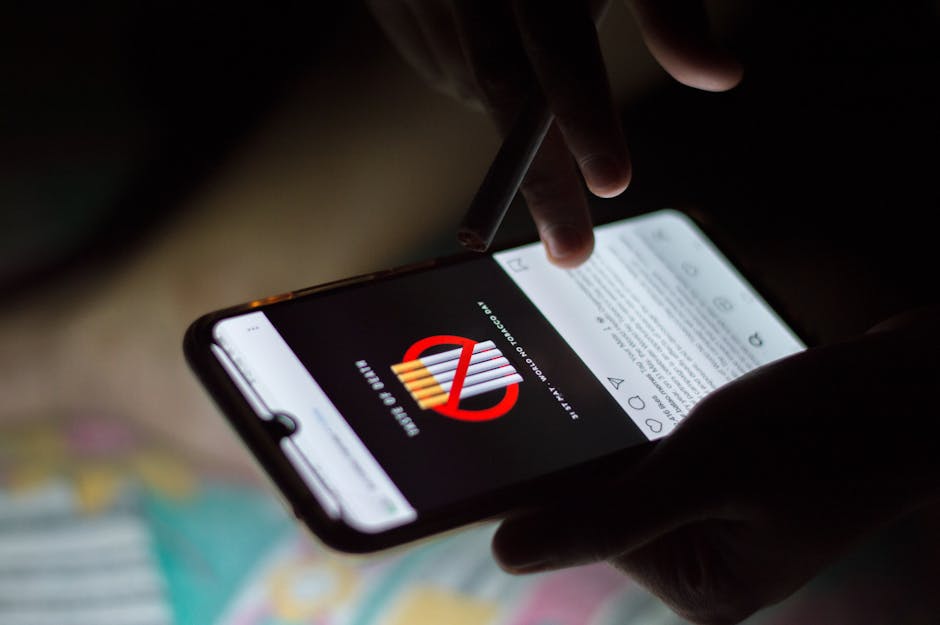
Constant switching between apps and tabs breaks concentration. Even a quick glance at a message resets your attention and costs minutes of recovery. Reducing screen time removes some of those micro-interruptions. Work blocks feel smoother, and tasks finish faster. Many people notice that background anxiety eases when they silence push alerts and check messages in set windows.
Short screen breaks sharpen thinking. A 10-minute walk without your phone restores attention more than scrolling through a feed. Meetings feel less scattered when laptops stay shut unless needed. I coach teams to try 45 minutes of focused work followed by a short off-screen break. The first week can feel tricky, then productivity rises and stress falls. People often report fewer mistakes and a better sense of progress by the end of the day.
Reducing social comparison also supports mood. Less time on highlight reels leaves more room for hobbies, calls with real friends, or simple rest. These swaps raise satisfaction in a way that passive scrolling rarely does.
Fewer aches and more movement
Long hours on screens often mean rounded shoulders, a stiff neck, and tight hips. Small reductions in sitting time ease these problems. When you put natural breaks into your day, you stand more, stretch more, and walk more. Your lower back and neck will thank you. Checking posture every hour and setting the screen at eye level helps, but the biggest shift comes from cutting the total hours you sit and stare.
Eye strain improves as well. Stinging eyes, a dull headache around the brow, and blurred vision at the end of the day are common after heavy screen use. Reducing total exposure, enlarging text, and increasing contrast all help. So does spending a few minutes outdoors, looking at distant objects to relax the focusing muscles. On workdays, I set my phone to grayscale and cap streaming to a set window in the evening. The change looks small, yet my eyes feel fresher and I fall asleep with less effort.
Added movement pays off fast. Even light activity lowers stiffness and lifts energy. When people trim screen time, they often rediscover short workouts, a quick bike ride, or cooking from scratch. Those habits compound into better health over months.
Better connection and more mindful use
Screens can crowd out face-to-face moments without you noticing. Putting the phone away during meals, walks, and conversations reduces that invisible barrier. You notice tone and body language, which deepens trust. Parents often report warmer interactions when phones live in a drawer during family time. Partners feel more present with each other when a show ends at a set time instead of auto-playing into the night.
Boundaries also protect attention from the constant pull of apps designed to keep you engaged. Turning off nonessential notifications and moving addictive apps off the home screen creates gentle friction. You can still reach what you need, but you do it on purpose, not by reflex. Many people set a single news check in the morning and one in the late afternoon, then keep evenings open for reading, music, or conversation. That structure cuts the compulsion loop without cutting access to useful information.
Workplaces benefit too. Team norms like “no phones in small meetings” or “email checks at three planned windows” give everyone more focus time. Output improves, and people feel less scattered. These norms are easier to follow when leaders model them.
Practical steps that stick
Small, specific actions work best. Start with one change in the evening and one during the day. In the evening, choose a shutoff time for screens. Set an alarm that signals the switch. Place the charger outside the bedroom and queue up an alternative, like a paperback, stretching, or a simple puzzle. Keep lights lower and avoid opening new shows or games late at night. If you need to unwind, pick something that ends on its own rather than auto-plays.
During the day, create two to three screen-free anchors. Commutes without scrolling, lunch away from the desk, and a short afternoon walk are strong options. Put your phone on do not disturb during a deep-work block and tell teammates how to reach you for urgent needs. Schedule quick checks for messages, then return to your task. The aim is not zero screens. The aim is full control over when and how you engage.
Measure what matters to you. If sleep is the goal, track bedtime, wake time, and how rested you feel. If focus is the goal, note how often you switch tasks and how long it takes to settle back in. If family time is the goal, count device-free meals each week. A simple note in a calendar is enough. Progress builds motivation without adding another app to manage.
Making reduced screen time work with modern life
Many people rely on screens for their job, school, and social ties. The solution is smarter use, not rigid bans. Use larger screens for serious work to reduce strain and improve posture. Batch similar tasks so you are not hopping between windows. When possible, print long documents for deep review. If you read on a device, use reader modes that strip clutter and choose warmer color settings in the evening.
Entertainment still has a place. A movie with friends can be a great way to relax. After the show, switch to a quiet activity rather than falling into another hour online. On weekends, plan one or two screen-light blocks outside the house. A walk to a coffee shop, a visit to a park, or a class at a local gym creates natural momentum that does not rely on willpower.
Setbacks will happen. You might slip into late-night scrolling after a stressful day. Treat that as feedback, not failure. Tighten your boundary the next evening and prepare your alternative ahead of time. Over a few weeks, these guardrails feel normal. You enjoy tech when it helps, and you step away when it does not.
Reducing daily screen time tends to improve sleep, sharpen focus, ease aches, and strengthen relationships. The shift works best when you set clear boundaries, replace passive scrolling with simple alternatives, and make a few device changes that lower temptation. Start small, track what you care about, and adjust as you go. The benefits add up fast and make your time feel more like your own.