The Impact of Influencers on Young Minds What Parents Need to Know
Influencers shape what many teens watch, buy, and even believe about themselves. Short videos and constant updates keep attention, and parasocial bonds make creators feel like trusted friends. That mix can inspire healthy choices or push unrealistic standards. Parents do not need to fear every trend, but they do need a clear view of how influencer content works, where the pressure points are, and how to protect a young person’s well‑being while allowing room for growth and fun.
How influencers shape beliefs and behavior
Influencer content runs on attention, identity, and repetition. A creator’s style, humor, and values show up in tight loops: daily vlogs, challenges, product mentions, and “day in my life” posts. Repeated exposure turns a viewpoint or product into a norm. Teens, who are building identity, may mirror looks, speech, or habits to feel part of a group. The bond feels personal because creators share private moments, answer comments, and use direct address.
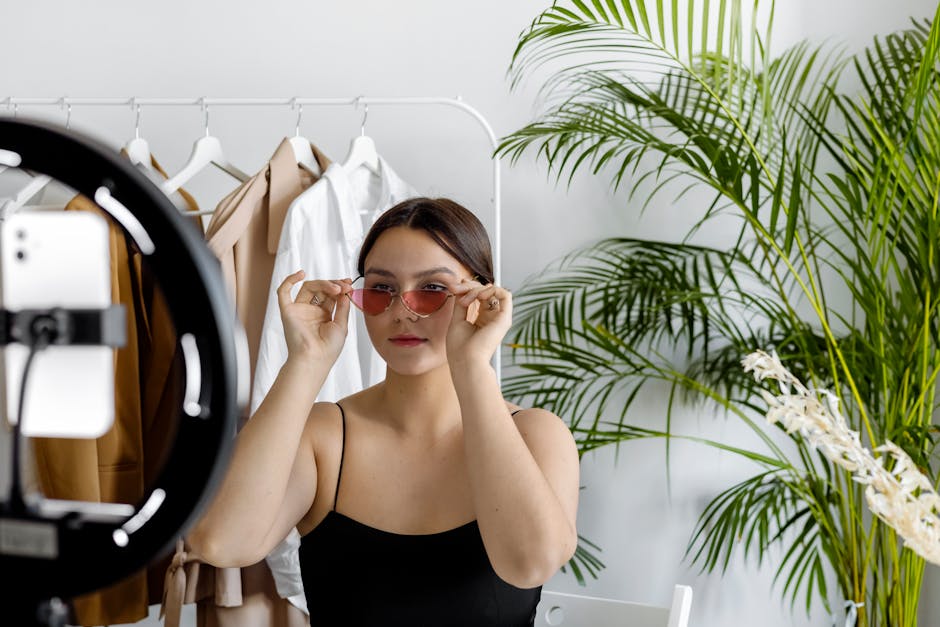
Algorithms reward watch time and signals like comments and shares. That means more of what a viewer already engages with. If a teen watches fitness tips, they may start seeing stricter dieting videos. If they follow a kind, study‑focused creator, they may get more school and productivity content. The feedback loop can lift or distort behavior depending on what enters the feed early and how often it repeats.
| Influencer Content Type | Potential Impact on Teens | Helpful Parent Prompts |
|---|---|---|
| Fitness and body goals | Motivation, but also body comparison and food anxiety | “What’s their training background? How does this make you feel about your body?” |
| Beauty and style hauls | Creativity and self‑expression, also spending pressure | “Is this a need or trend? What’s a budget you’d feel good about?” |
| Pranks and shock humor | Entertainment, plus desensitization to risky behavior | “Is anyone getting hurt or humiliated? Would this be okay offline?” |
| Study/productivity tips | Better habits, possible guilt or burnout | “What tip is realistic this week? How will you rest?” |
| Sponsored reviews | Discovery of new products, also hidden persuasion | “Is this ad labeled? What are unbiased alternatives?” |
Why some teens feel more pressure than others
Age, temperament, and offline support make a big difference. Younger teens may take claims at face value and miss signs of editing, filters, or sponsorship. Teens high in social comparison or perfectionism may be more reactive to body, beauty, or academic content. A teen with steady friendships and hobbies tends to treat influencer content as one input among many. A teen feeling isolated may treat it like a rulebook on how to belong.
Family media habits also matter. If phones dominate meals and bedtimes, attention fragments and sleep drops. Tired teens handle stress worse and scroll more for relief. A few bright, shared rules lower friction. Clear hours for school, sleep, and phone‑free time reduce the chance that a feed sets the tone for the day.
The upsides worth keeping
Many creators teach useful skills and open doors to interests a school schedule cannot cover. A teen can learn entry‑level coding, art techniques, or budgeting tips in approachable, bite‑size videos. Some creators normalize mental health care and talk frankly about mistakes. That candor can reduce shame and prompt real conversations at home.
There is also a social benefit. Teens build micro communities around books, music, sports, or gaming. When those spaces set kind norms, young people feel less alone and more willing to try. Guides from organizations like Common Sense Media offer practical ways to judge quality and discuss ads and privacy with kids without fear‑based messaging. See commonsensemedia.org for family tech guidance and media reviews.
Red flags and risks parents should watch
Some patterns deserve closer attention. Aggressive dieting advice, cycles of “what I eat in a day,” or constant body checks can drive unhealthy comparison. Financial pressure shows up as limited‑time drops, affiliate links, and unmarked ads. Shock humor can cross into harassment. Conspiracy or pseudoscience content can spread fast through confident claims and cherry‑picked anecdotes.
Look for warning signs offline too. Changes in sleep, skipped meals, secretive phone use, or a sudden drop in activities may signal stress from online pressure. Teens may talk about “needing” a product or following a strict routine a creator uses. Open questions work better than lectures. Ask what they enjoy about the creator, what feels off, and whether any parts spark stress.
How to build critical viewing skills
Media literacy helps teens keep agency. Start with simple questions they can apply on any platform. Who made this? What are they selling, directly or indirectly? What is edited out? What feeling does the video push, and why? Help teens spot labels like “paid partnership,” but also note when praise sounds scripted or identical across creators.
Short conversations beat long monologues. Watch a clip together now and then. Pause and ask how the creator benefits from certain claims. Share your own blind spots and what you have learned to ignore. Teens respond when adults admit they also click on hype at times. Practical toolkits from groups such as the American Psychological Association offer language for stress and body image that can fit family talks. Visit apa.org for psychology‑based guidance.
Practical steps that work at home
Routine, transparency, and a few tech settings go a long way. Co‑create rules so teens feel ownership. Make space for favorite creators while setting guardrails. Ask to learn about the top three channels they follow and why. Curate feeds together for a few minutes, muting accounts that spark stress and following ones that teach or uplift.
- Set device‑free anchors: meals, the first hour after waking, and one hour before sleep.
- Use platform tools: turn off autoplay, disable personalized ads where possible, and set time reminders.
- Require ad labels: if a creator will not mark sponsorships, they do not earn attention or money from your household.
- Balance with offline wins: sports, clubs, art, or a part‑time job that builds real‑world confidence.
- Keep purchases deliberate: 24‑hour wait before buying items promoted online.
Talking about bodies, status, and money
Body and status cues sit under much influencer content. Name that openly. Explain how lighting, angles, filters, and editing create a look that even the creator does not maintain off camera. Treat bodies as functional and varied. Ask what the body or product claims allow someone to do in real life, not just how they look.
Money deserves the same honesty. Show how affiliate links and brand deals pay bills. If a teen wants an item, compare prices and read independent reviews from a trusted source. Pew Research Center publishes unbiased reports about teen use of platforms and trends that can inform these talks without turning them into lectures. See pewresearch.org for research and data summaries.
When to step in more firmly
Set clear non‑negotiables around hate, harassment, self‑harm content, and illegal activity. Remove access when needed and explain the why. Offer a path back with check‑ins and a fresh set of follows. If mood, eating, or sleep problems persist, reach out to a counselor or pediatrician. Bring examples of the content that seems tied to the change so a professional can see the context.
Most teens benefit from structure, not surveillance. Let them know you trust them to make smart choices and that you are there if a feed gets dark or pushy. That safety net often reduces the urge to hide mistakes, which is where real harm tends to grow.
Parents do not need to master every app. They do need to be present, curious, and willing to talk about what a screen is trying to do. Influencers can inspire effort, creativity, and community. They can also pull teens toward comparison, overspending, or risky stunts. Thoughtful rules, steady routines, and regular check‑ins help young people keep the good and filter the rest.
Teens watch how adults handle their own feeds. Model the same habits you ask of them. Put the phone down during meals, question ads out loud, and show how you manage pressure to buy or conform. Small, consistent choices build the independent judgment that matters long after a trend passes.