Screen Time and Sleep: How Devices Affect Your Rest
Phones, tablets, and laptops make evenings convenient, but they also nudge sleep later, lighter, and less refreshing. The light from screens shifts the body clock, and the constant flow of information keeps the brain on alert. Many people feel tired during the day yet still reach for one more episode or scroll. The mismatch between what the brain needs at night and what devices deliver is often the reason.
Sleep depends on timing, light exposure, and mental state. Blue-enriched light suppresses melatonin, which signals the brain that night has started. Fast, engaging content raises alertness, adding delay on top of the light effect. The result can be shorter sleep, more awakenings, and groggier mornings.
How screens change sleep biology
Light is the strongest cue that sets your body clock. Short wavelength light in the blue range is especially powerful for shifting circadian timing and lowering melatonin in the evening. Even modest brightness at arm’s length can have an effect if exposure lasts long enough. The closer and brighter the screen, the stronger the signal that it is still daytime.
Timing matters as much as brightness. Screen light in the hour or two before bed pushes the sleep window later. Exposure during the night, such as checking messages at 2 a.m., fragments sleep and can shift the clock again. Morning light does the opposite. Bright outdoor light soon after waking helps anchor the clock and makes it easier to fall asleep on time that night.
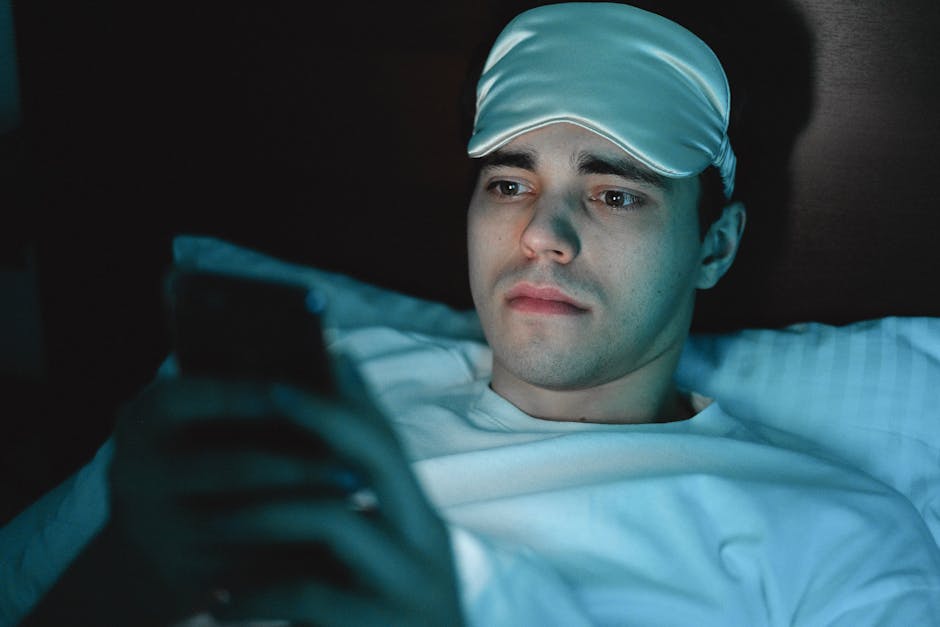
Color filters and “night mode” features reduce blue wavelengths, which can help, but they do not remove the alerting effect of content or the impact of overall brightness. If the screen is near your face and you stay engaged, melatonin can still be suppressed and sleep can still be delayed.
| Device/use | Typical distance | Light effect on melatonin | Arousal from content |
|---|---|---|---|
| Phone in bed, social apps | 20–30 cm | High due to proximity | High from interactive feeds |
| Tablet streaming video | 30–40 cm | Moderate to high | Moderate to high |
| Laptop work or gaming | 40–60 cm | Moderate | High from tasks or competition |
| TV across room | 2–3 m | Lower due to distance | Variable by content |
What you do on screens matters as much as the light
Not all screen time feels the same to your brain. Interactive, fast, or emotionally charged content drives alertness through stress hormones and dopamine. Competitive online games, heated comment threads, or rapid-fire videos often push the brain into a “stay awake and keep going” mode that lingers after the device is off. Calm or familiar shows from across the room may be less stimulating even if the total minutes are similar.
Notifications and partial attention add strain. Each ping is a small hit of uncertainty that pulls focus and raises arousal. If your phone stays within reach on the nightstand, a single buzz near sleep onset can reset your effort to fall asleep. Keeping the device silent but visible can still invite checking. Out of sight reduces the urge to reach.
I learned this the hard way while finishing a project on a laptop most nights after 9 p.m. The work was not bright or flashy, but the problem solving kept my mind “on.” Pushing the same tasks to the late afternoon and leaving only light reading after dinner cut my sleep latency from 30 minutes to under 10 within a week. The change came more from content and timing than from screen type.
Practical steps to protect your sleep
Small changes add up. You do not need to quit screens to sleep well, but you do need guardrails during the last 90 minutes of the evening. Focus on three levers: less light to the eyes, calmer content, and a consistent shutdown routine.
- Set a “screens down” alarm 60–90 minutes before target bedtime and move devices out of arm’s reach.
- Use built-in night modes, reduce brightness, and switch apps to dark themes after sunset.
- Prefer larger, farther screens over small close ones in the late evening. Choose TV across the room instead of a phone in bed.
- Batch notifications or enable Do Not Disturb after a set time to avoid last-minute alerts.
- Replace late interactive tasks with low-stakes, predictable activities. Light stretching, a paper book, or an e-ink reader work well.
- Expose your eyes to bright outdoor light within an hour of waking to anchor your clock for the evening.
Tools can help if you use them with intent. Blue-light filtering glasses reduce some short wavelength exposure, but the effect is modest if brightness stays high or content is stimulating. E-ink readers remove most blue light and lower visual strain, which makes them a good option for bedtime reading. If you tend to wake at night and check your phone, move it to another room and use a simple alarm clock.
Consistency beats perfection. A late game or a long chat once in a while will not ruin your sleep patterns on its own. The goal is to make the healthy choice the default on most nights. When you slip, get back to your routine the next day with strong morning light and a firm evening cutoff.
Different needs and common pitfalls
Teens are especially sensitive to evening light because their clocks run later by default. Homework and social life often land on phones in the late evening, which compounds the effect. Setting a shared household cutoff and charging devices outside bedrooms can prevent a cycle of short nights and sleepy mornings during the school week.
Shift workers face a tougher challenge. If you must stay awake at night, use bright light at the start of the shift to stay alert and strong sunglasses on the way home to reduce morning light exposure. Keep the bedroom dark and cool. On days off, partial alignment with a stable sleep window still helps. Short, timed light exposure and blackout shades make a real difference.
People with anxiety, ADHD, or chronic insomnia often find that screens become a coping tool at night. The relief is real in the moment but tends to sustain wakefulness. A workable step is a two-stage wind-down: first, low-stimulation screen time with strict boundaries, then a non-screen bridge such as breathing drills or a short printed chapter. If sleep does not come within 20 to 30 minutes, get out of bed and do that same low-stimulation activity under dim light until sleepy, then return to bed.
Even good habits can backfire if applied at the wrong time. Long naps after 4 p.m., intense workouts late at night, or bright bathroom lights before bed can undo careful device limits. Light is a system. So is arousal. Try to stack cues that say “night” together instead of fixing only one piece.
Better sleep is usually about cleaner evenings, brighter mornings, and content choices that calm rather than excite. Treat your attention like a resource you guard at night. Start by picking one change you can keep for the next week, measure how you feel, then add the next tweak.
If you already have a strong routine and still struggle, check for medical issues such as sleep apnea, restless legs, or mood disorders. A short screening with a clinician or a validated questionnaire can reveal patterns that no amount of light filtering will fix.
Healthy sleep depends on timing, light, and state of mind. Devices touch all three, which is why small adjustments pay off. The next time you think “just one more scroll,” ask whether that minute helps you tomorrow morning. If the answer is no, set the phone down and let your brain switch to night mode for real.
References:
cdc.gov , Guidance on sleep duration and sleep hygiene for different age groups.
ncbi.nlm.nih.gov , Research on evening light, melatonin suppression, and circadian timing, including reviews on blue light and screens.
sleepfoundation.org , Practical summaries on screen time, blue light, and evidence-based sleep tips.