Top Family Activities to Replace Excessive Screen Use
Screens fill time fast, but they do not always fill needs. Families often want easier ways to move, talk, and create together without a device in hand. The activities below are practical, low-cost, and flexible across ages. They focus on connection, skill building, and simple fun you can repeat. Use them to plan weeknights, weekends, or school breaks with fewer screen battles.
Why shifting time off screens works better as a family
Changing habits is easier when everyone joins in. Kids mirror adult behavior, so when parents put phones away and start an activity, children follow. A shared plan also reduces arguments. Set a clear time block for something engaging, then return to devices with purpose. Guidance from the American Academy of Pediatrics supports a family media plan that sets expectations for when and where screens are used. You can learn more at aap.org.
Movement, daylight, and simple challenges help mood and sleep. Most children and teens benefit from regular physical activity, and many adults do too. Public health guidance points to 60 minutes of activity daily for kids and regular movement for adults. See practical recommendations at cdc.gov.
Quick planner: pick activities by time, cost, and setup
| Activity | Setup Time | Cost | Best For Ages | Builds |
|---|---|---|---|---|
| Backyard or park obstacle course | 10–15 min | Free or low | 5+ | Strength, problem solving |
| Family cook-along dinner | 10–20 min | Low to medium | 6+ | Math, planning, food skills |
| Board or card game night | 5–10 min | Low | 7+ | Turn-taking, strategy |
| Neighborhood photo scavenger hunt | 5 min | Free | 4+ | Observation, teamwork |
| DIY home science lab | 10–15 min | Low | 8+ | Inquiry, focus |
| Library visit and reading circle | 5 min | Free | 3+ | Literacy, calm time |
Outdoor activities that beat passive scrolling
Trail bingo or urban bingo. Make a simple card with items to spot: three birds, a red door, a dog on a walk, a leaf bigger than your hand. Mark off squares as you find them. Younger kids can use pictures. Older kids can snap non-identifying photos for a quick album later.
Park circuits. Pick four moves at benches or open space: step-ups, pushups, squats, and a short jog to a landmark. Rotate stations for 15 minutes. Keep score by counting total rounds as a team. Add stretching on the grass to wind down.
Micro-hikes. Not every outing needs to be long. Choose a 20-minute loop in a nearby park. Bring one job for each person: navigator, timekeeper, plant spotter, trash collector with gloves. Roles give kids purpose and limit complaints.
Sports sampler hour. Split the hour into three 20-minute blocks. Try soccer passing, frisbee throws, and a relay race. Rotate partners so no one is left out. Set a simple team target, like 30 total passes without a drop.
Indoor activities for any season
Cook together with a theme. Choose one cuisine or ingredient and cook a simple meal as a team. Kids wash and chop soft items with a safe knife, teens handle a hot pan with oversight, adults manage timing. Read the recipe out loud, double it to practice fractions, and plate food like a café.
Build night. Use blocks, cardboard, or recyclables to design a bridge or tower. Give a test challenge: can it hold a stack of books for 30 seconds. Add time pressure to boost focus, like two rounds of ten minutes.
Cozy reading circle. Everyone picks a short story or a chapter. Sit together, read silently for 20 minutes, then each person shares one line they liked. Keep a family log of books read. Swap in audiobooks for mixed ages.
Music jam or dance break. Create a shared playlist of four songs. Rotate the DJ role each night. Add a simple rule: everyone must stand and move for the first song. Movement plus laughter changes the feel of the evening fast.
Low-prep ideas for busy weeknights
Photo scavenger hunt indoors. List ten items by color, shape, or category. Teams race to snap them in five minutes. For younger kids, replace photos with drawings on sticky notes.
15-minute clean-and-compete. Pick one room. Set a timer and assign zones. Score points for tasks finished. Treat it like a game, then enjoy screen time later with a tidy space.
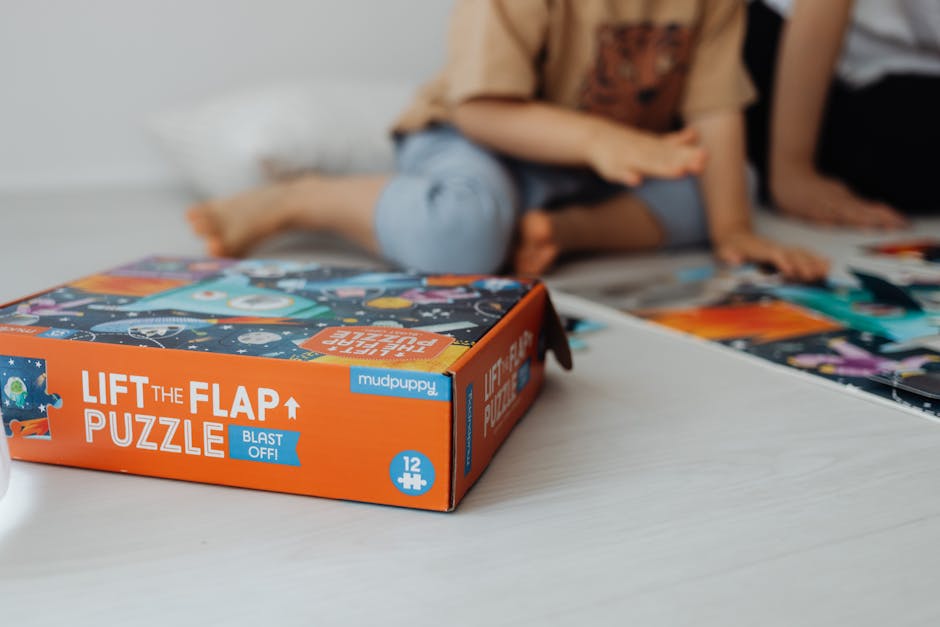
Speed puzzles. Keep a 300-piece puzzle on a table. Add a daily 10-minute puzzle sprint after dinner. Seeing progress keeps everyone coming back.
Weekend projects and learning that stick
Home science lab. Try safe, simple tests: vinegar and baking soda reactions, paper airplane trials with different wing shapes, or a seed sprout jar. Write a guess, run the test, and compare results. Kids gain patience when they see small wins.
Family volunteering. Help at a local cleanup, food pantry, or animal shelter that allows youth with adults. Service adds structure to weekends and shows kids how their time matters.
Backyard garden box. Use a large container or a small raised bed. Choose fast growers like lettuce, radishes, or herbs. Kids water, measure height weekly, and pick for dinner. Simple tracking turns it into a project.
Free nature days. Many parks offer no-fee days. Check your local park agency or the National Park Service calendar at nps.gov. Pack a ball, a deck of cards, and snacks for unplanned fun.
Make the shift stick without power struggles
Success comes from a few clear rules and a reliable plan. Use the steps below to reduce friction and keep it positive.
- Set device-free zones, like the table and bedrooms at night. Start with one zone and add more once it feels normal.
- Create a weekly activity block on a shared calendar. Treat it like an appointment.
- Use a visible charging station. Devices sleep there when not in use.
- Agree on screen use after key tasks, such as homework, chores, or practice.
- Pick activities that match energy levels. Short and active on school nights, longer and creative on weekends.
- Give kids a voice. Let them choose from two or three options you preselect.
- Track wins. Note books finished, miles walked, or recipes mastered on a simple chart.
- Pair screen time with purpose. If you stream a show, talk about it after or act out a scene for fun.
Adapting for different ages and needs
Early childhood. Keep it short, sensory, and visual. Think water play, chalk paths, or animal walks across the room. End while they still want more.
School-age. Add challenge and choice. Time trials, point systems, and jobs with titles make activities feel important. Rotate leaders so each child gets a turn.
Tweens and teens. Link activities to goals they care about, like strength for sports, cooking for independence, or saving for a trip by learning a paid skill such as lawn care. Invite a friend to increase buy-in.
Neurodiverse kids. Keep clear steps, visual timers, and a calm start. Offer noise protection for loud spaces and a quiet break area. Use the same activity structure each week to reduce surprises.
Multigenerational homes. Choose activities with parallel roles. Grandparents can be scorekeepers, storytellers, or recipe guides. Younger kids take on runner jobs or time calls.
Budget and access tips
Use what you have. A deck of cards, a ball, tape, string, and recyclables can power many games and builds. Keep a simple bin labeled “activity kit” so setup is fast.
Lean on libraries. Many libraries lend board games, STEM kits, and museum passes. Staff can point you to free events that fit your child’s age.
Look for free calendars. Community centers, park agencies, and schools post open gyms, family swims, and weekend events. Add two per month to your routine.
Plan for weather. Keep a short indoor list on your fridge and a short outdoor list in your bag. When time opens up, you are ready.
Balancing screens with purpose
Screens can be useful for learning and fun when used with intent. The goal is not zero, but balance. A simple plan helps: set device-free anchors during the day, schedule one or two engaging activities, and keep screens for specific times or tasks. Over weeks, you will notice easier bedtimes, better focus, and fewer arguments about “just one more episode.”
Start with one small change this week, like a 30-minute family walk after dinner on two nights. Add a cook-along on Sunday. If energy drops, scale the plan, not the goal. Short, repeatable activities build strong habits, and strong habits beat constant reminders. Progress, not perfection, is the target.